


Bird Walk at Thazhambur Big Lake, Chennai
- Chennai
- 19 September, 2026
- Sudharshan S
About Thazhambur Big Lake
Thazhambur Big Lake is a wetland landscape in the southern outskirts of Chennai, surrounded by a mix of open areas, settlements, roads, and patches of vegetation. The lake forms an important water body within a rapidly developing part of the city, with its open water and surrounding wetland edges changing in character with the seasons. Water levels can vary through the year, exposing shallow margins and muddy areas during drier periods while creating broader aquatic habitat after rainfall. The surrounding landscape adds further habitat diversity, with scattered trees, shrubs, grasses, and open ground around the lake.
The lake is part of the wider wetland network of the Chennai region and provides an important natural space within an increasingly urbanised landscape. Its ecological character is influenced by seasonal rainfall, water flow, surrounding land use, and the condition of the lake margins. Urban expansion, encroachment, pollution, waste accumulation, and changes to natural drainage can place pressure on such wetlands. Maintaining open water, natural shoreline vegetation, and healthy seasonal water cycles is therefore important for preserving the ecological value of Thazhambur Big Lake.

Bird Guide - Sudharsan S
He is an MSc Zoology student with a strong curiosity to learn about nature and wildlife. Trained as a naturalist, mountaineer, and birdwatcher, he has participated in various bird and wildlife censuses, gaining valuable field experience in observing and documenting species. His academic background and hands-on experiences continue to strengthen his passion for understanding and conserving the natural world.

Bird walk Location
Common birds of Thazhambur Big Lake
Thazhambur Big Lake supports a varied community of wetland and terrestrial birds. Water-associated species include Indian Spot-billed Duck, Little Grebe, Purple Heron, Grey Heron, Indian Pond Heron, Little Egret, Great Egret, White-breasted Waterhen, Grey-headed Swamphen, Little Cormorant, and Indian Cormorant. The lake edges also attract Common Sandpiper, while Common Kingfisher and White-throated Kingfisher represent the kingfishers associated with the wetland. Asian Green Bee-eater adds to the diversity of insectivorous birds found around the open areas.
The surrounding vegetation and open landscape support species such as Greater Coucal, Asian Koel, and Red-vented Bulbul, while Black Kite and Brahminy Kite add raptors to the bird community. Together, these records reflect the variety of habitats available around Thazhambur Big Lake, from open water and shallow margins to surrounding vegetation and terrestrial areas. The combination makes the lake a valuable birdwatching site within the Chennai region.

Indian Spot-billed Duck

Little Grebe

Purple Heron
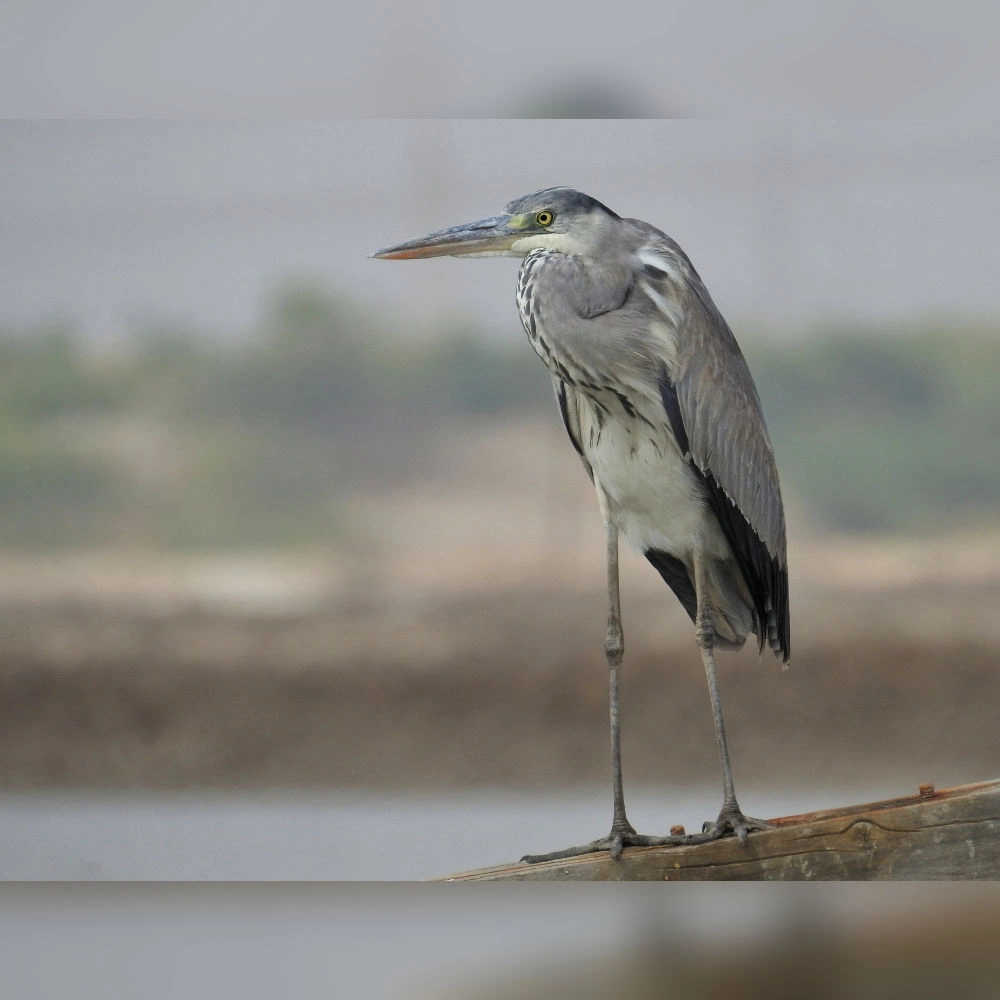
Grey Heron
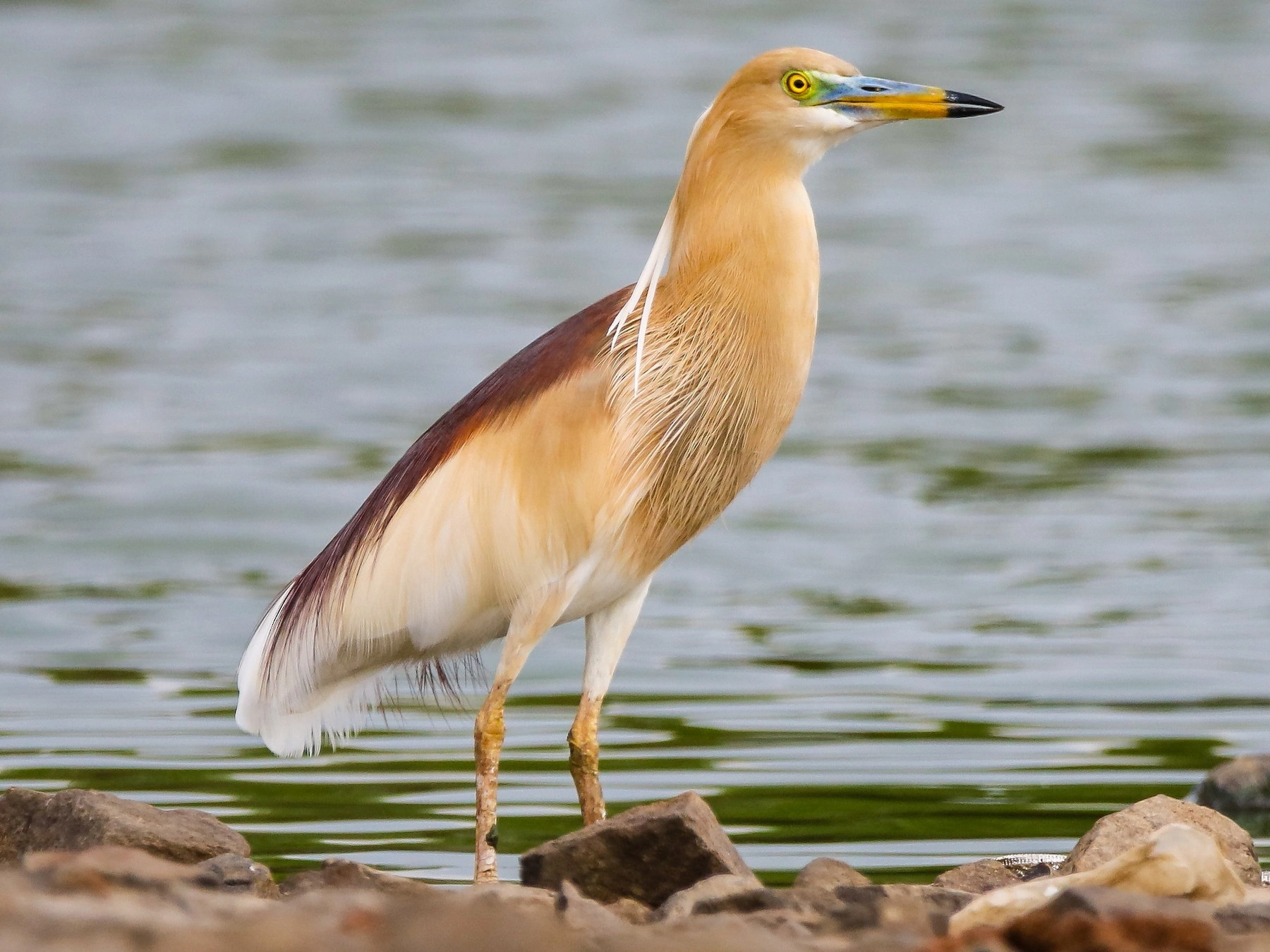
Indian Pond Heron
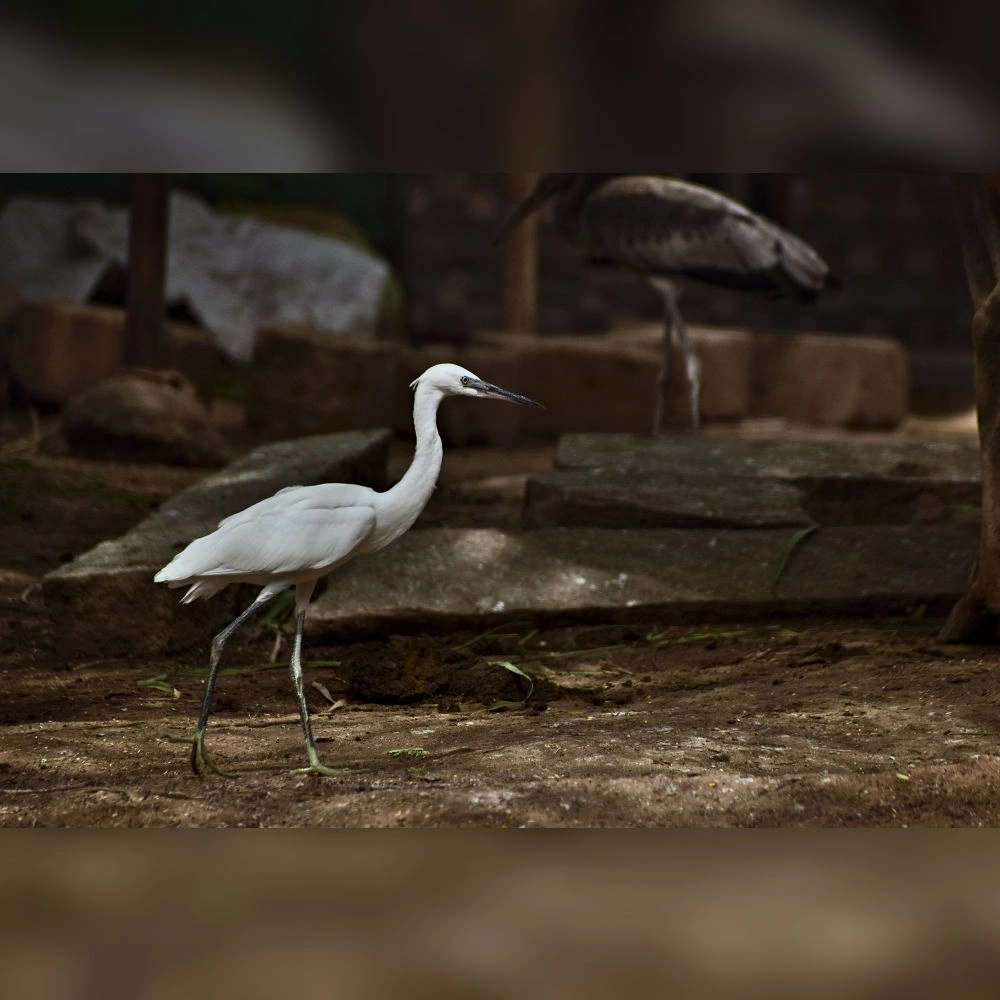
Little Egret
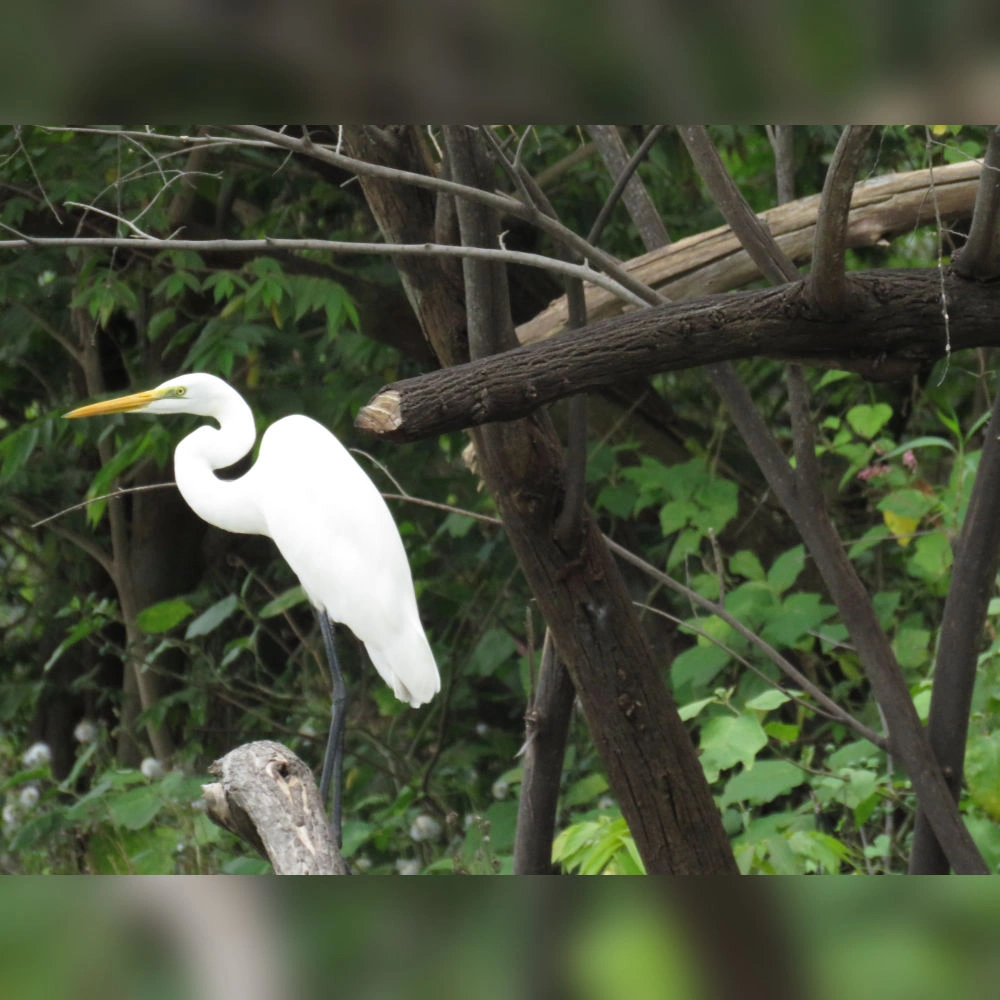
Great Egret
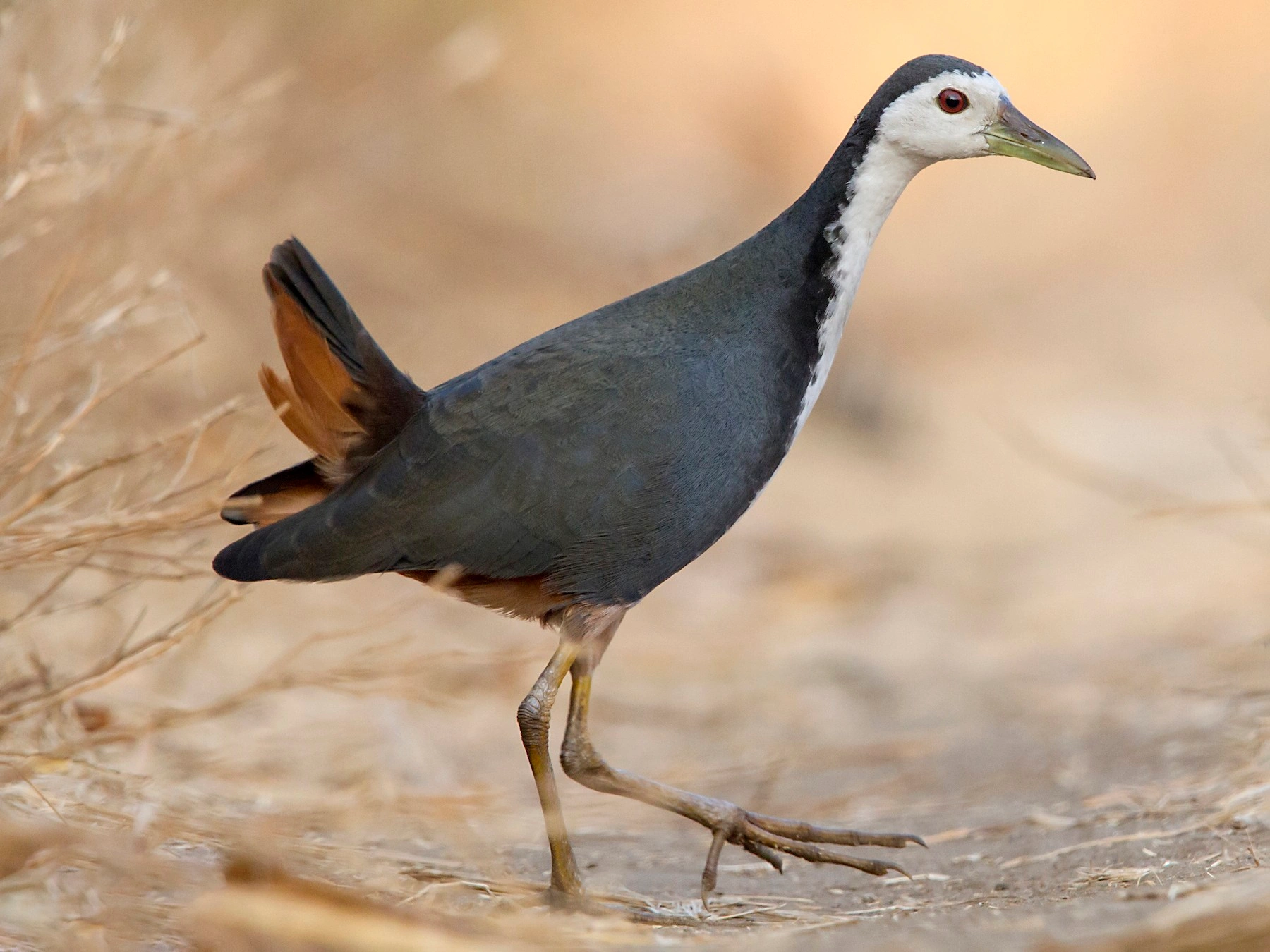
White-breasted Waterhen
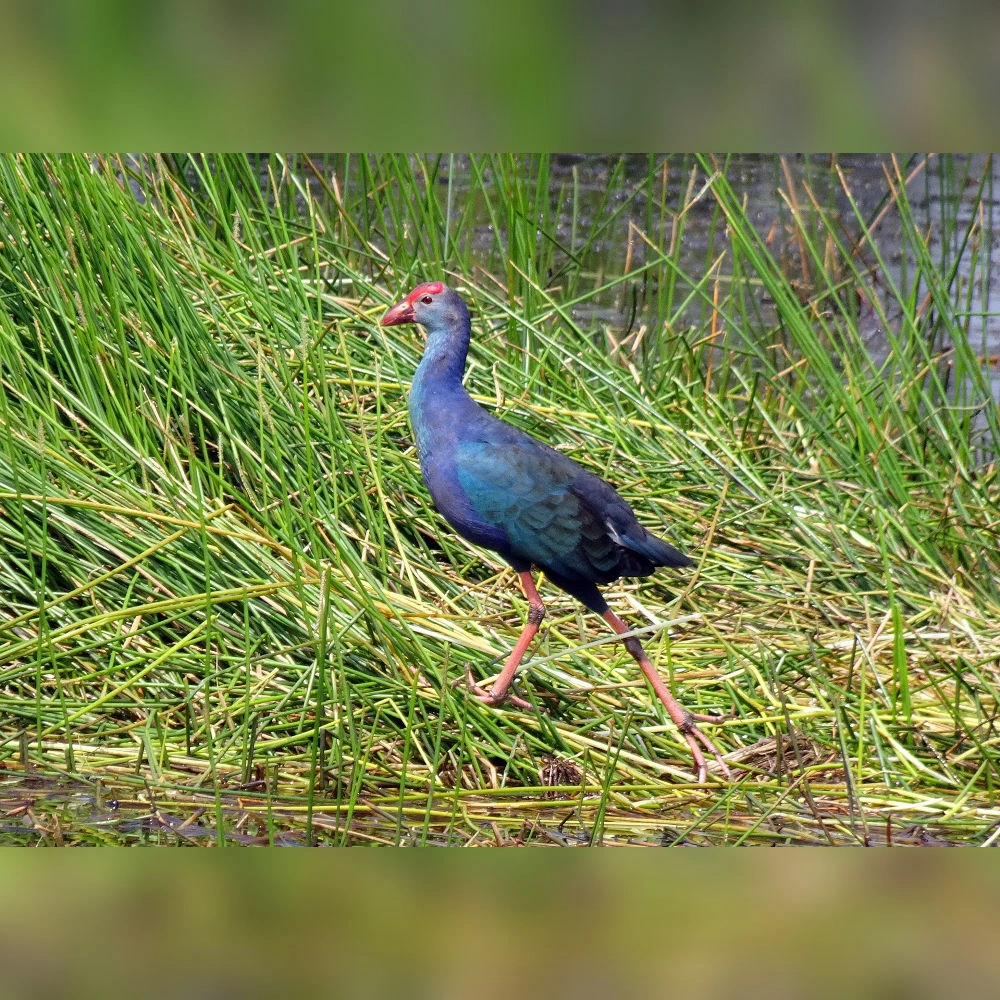
Grey-headed Swamphen
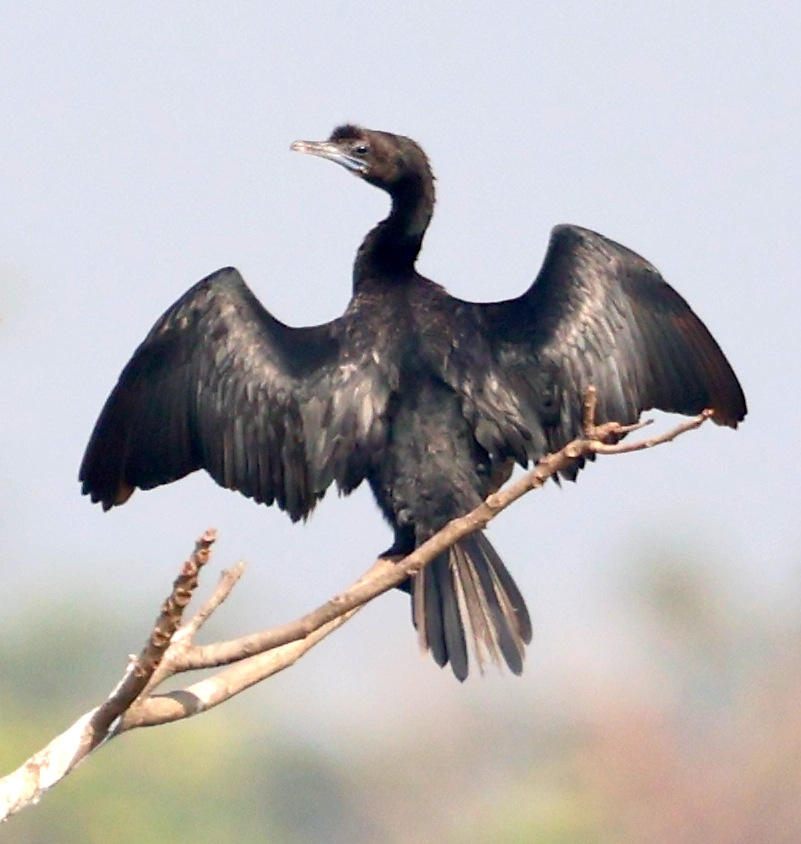
Little Cormorant

Indian Cormorant
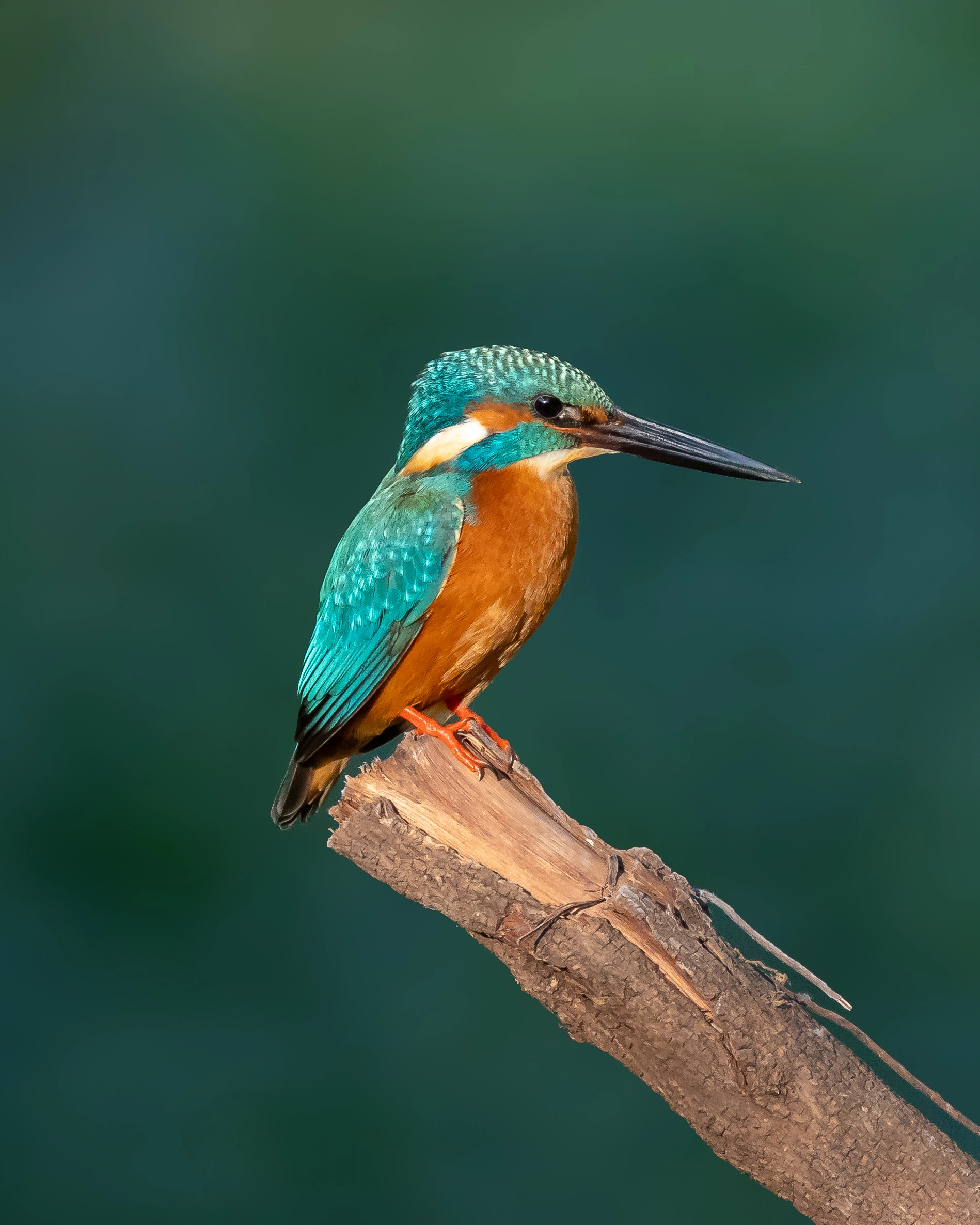
Common Kingfisher
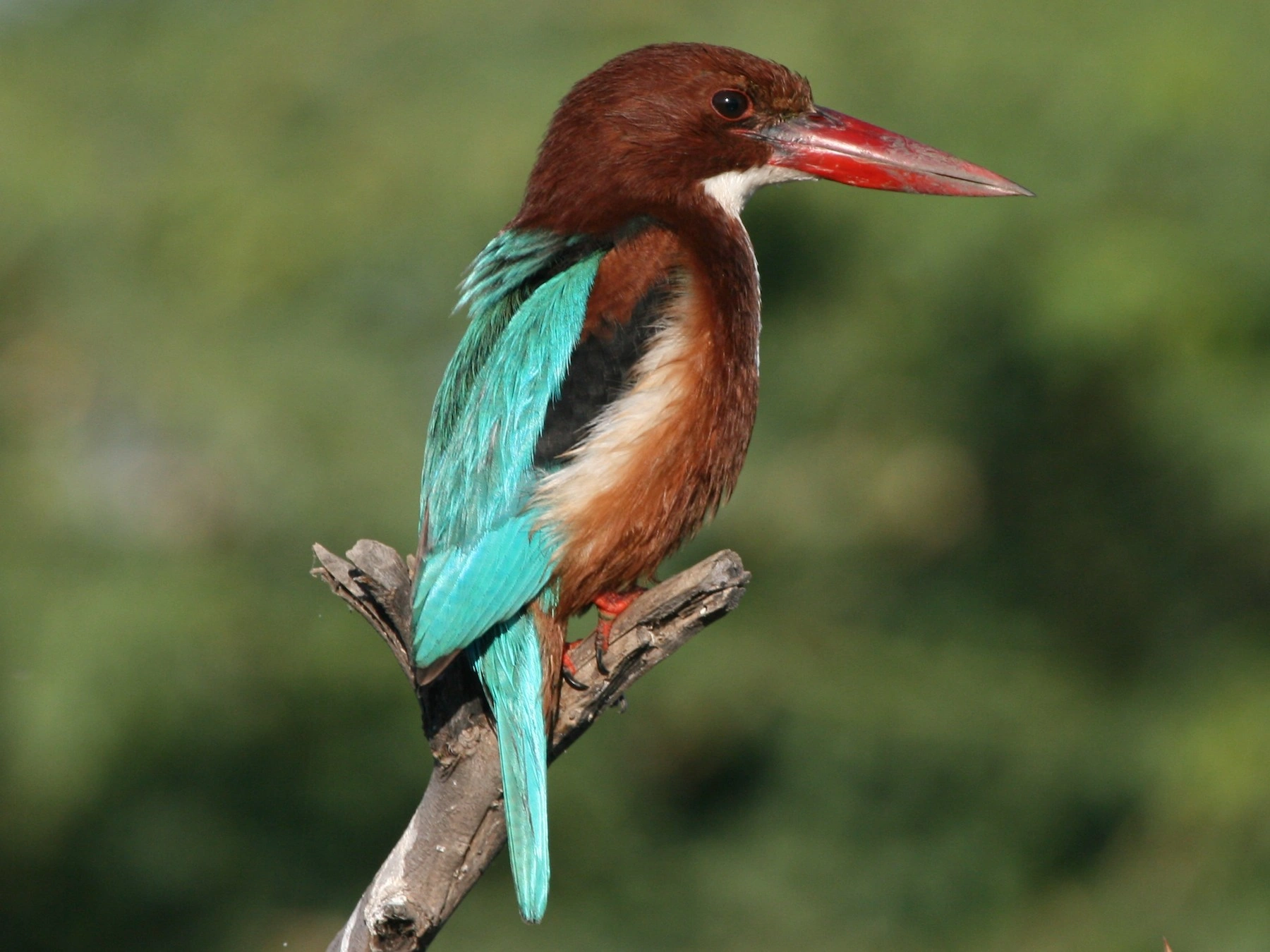
White-throated Kingfisher
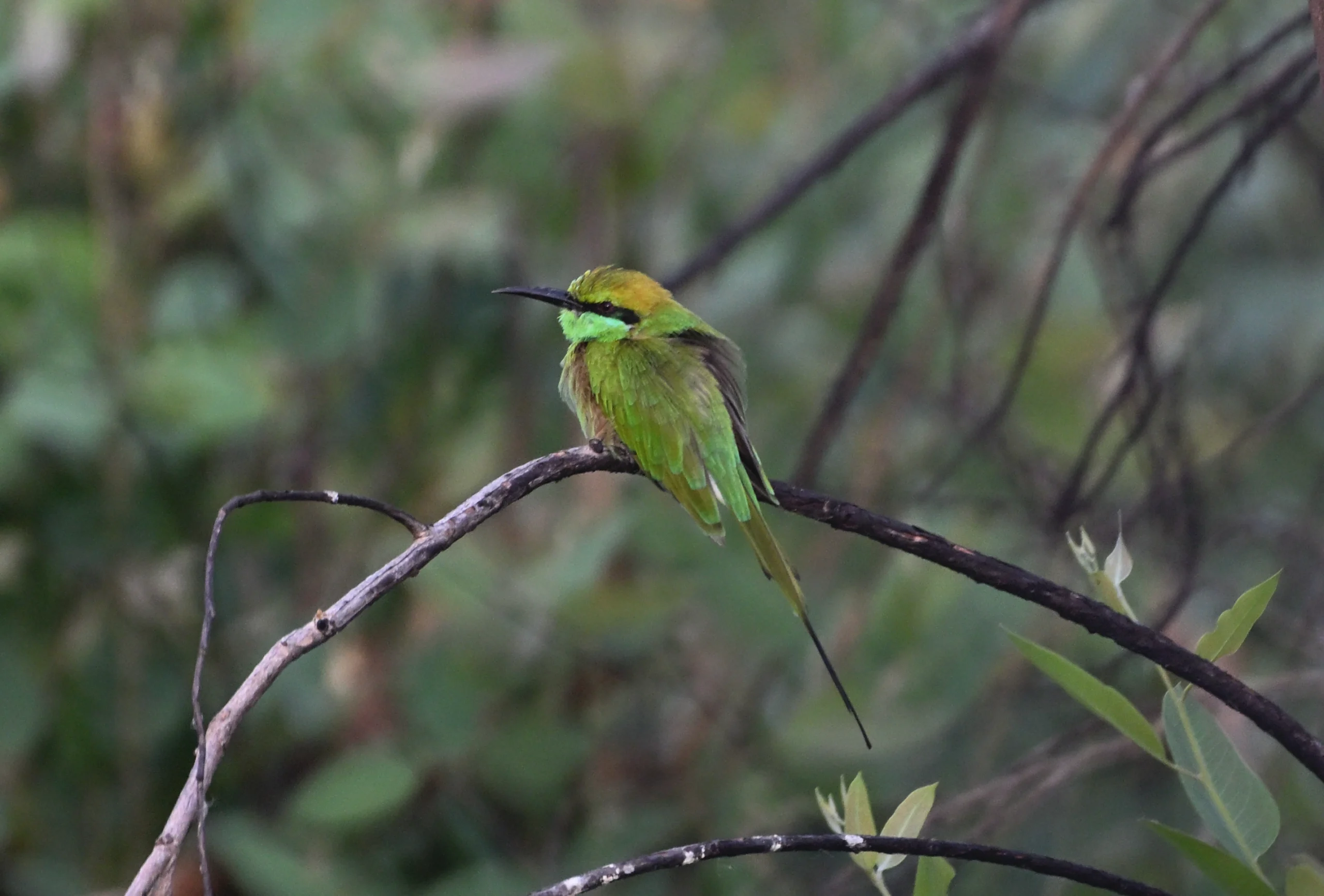
Asian Green Bee-eater

Black Kite
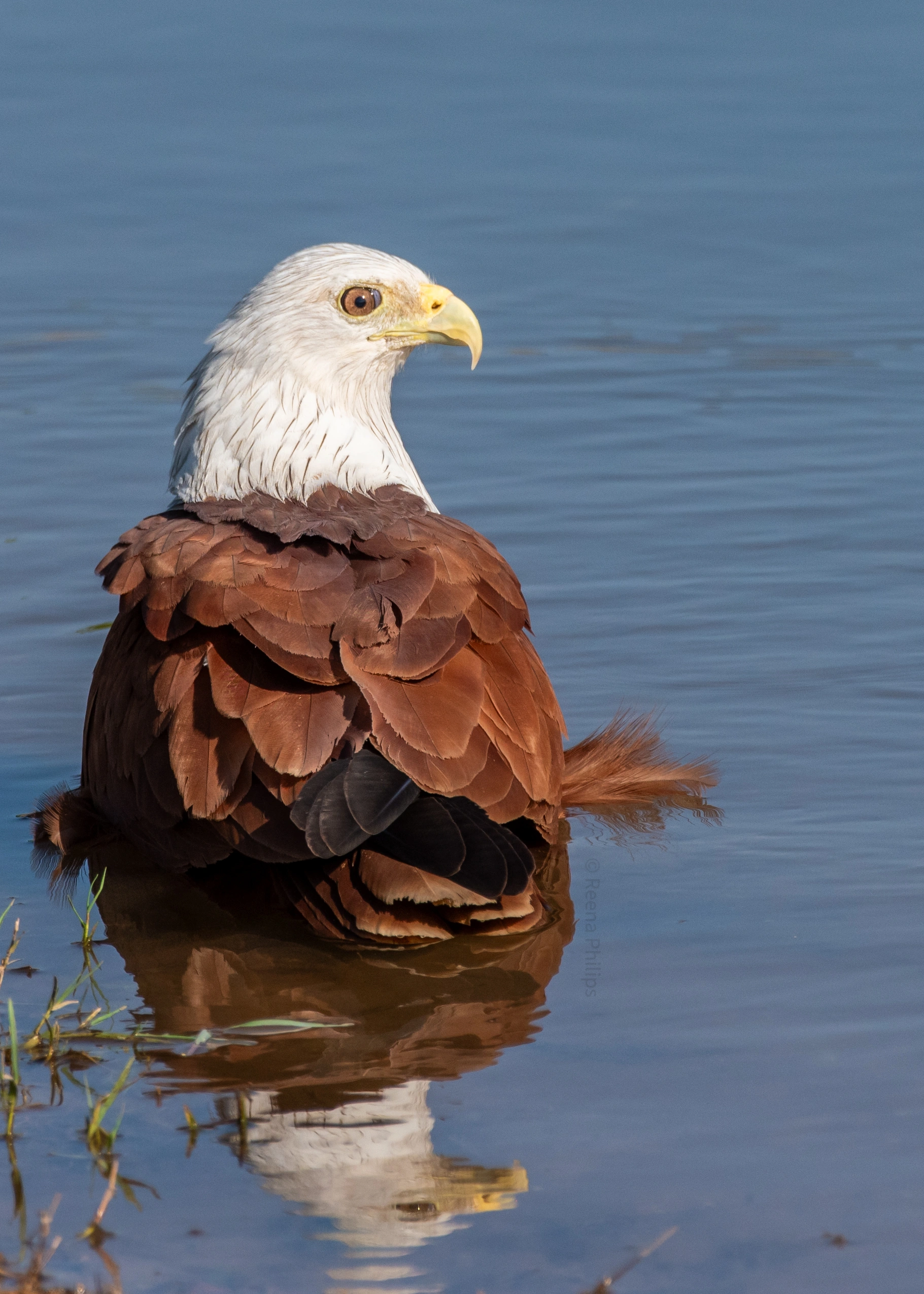
Brahminy Kite
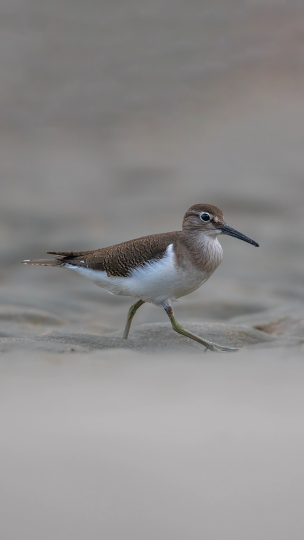
Common Sandpiper
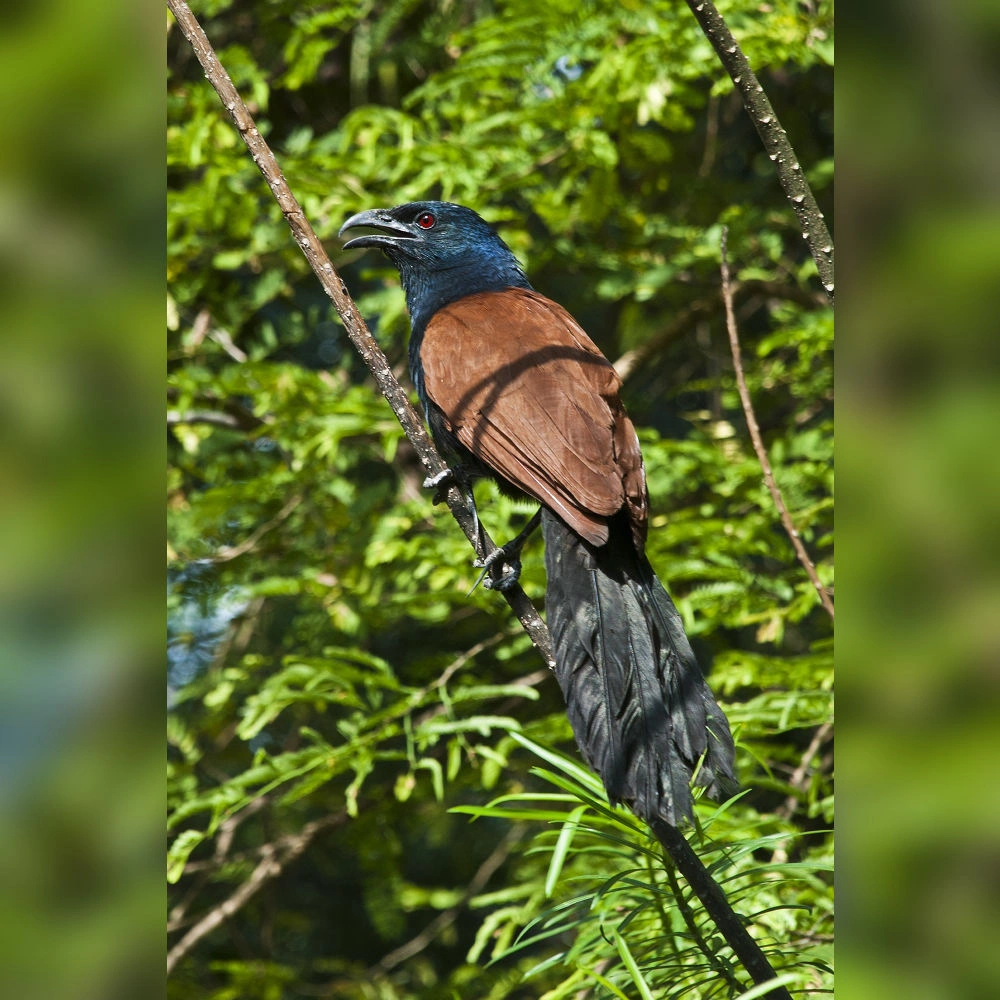
Greater Coucal
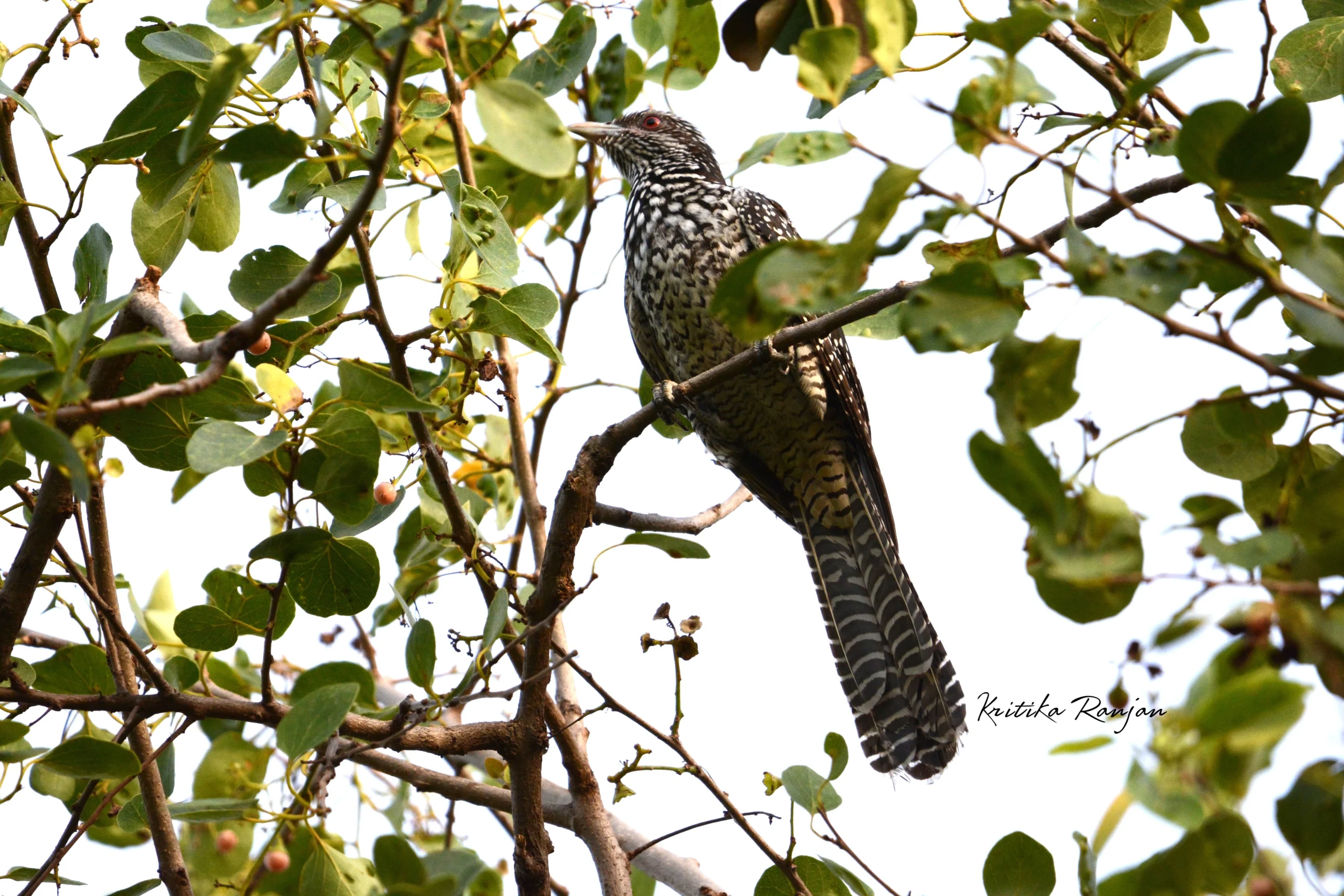
Asian Koel

Red-vented Bulbul
Summary of Walk
A quieter, more intimate morning unfolded at Thazhambur Big Lake in Chennai, where guide Sudharshan S led a focused walk that turned into a masterclass in patient, close-up birding. With just one participant along, the pace was relaxed and unhurried, allowing plenty of time to linger over each sighting and talk through identification features, calls and habitat preferences in a way that larger groups rarely allow.
Thazhambur’s wetland habitat is known for supporting a healthy mix of resident waders, egrets, cormorants and kingfishers, along with the occasional migratory visitor drawn in by the lake’s shallow, food-rich margins during this time of year. The walk offered a genuine sense of the lake’s everyday birdlife and its importance as a stopover for water birds in a rapidly urbanising part of the city. Sudharshan’s local knowledge of the site made for an engaging, information-rich session, and the small-group format meant every observation could be discussed in detail — proof that great birding doesn’t always need a crowd.
Number of Participants
0
